Published on
October 26, 2025

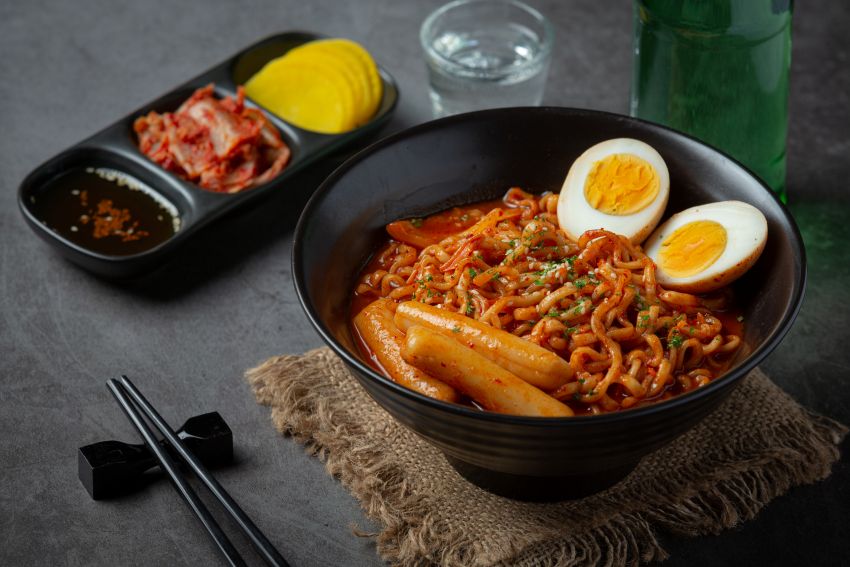
Traditional Korean favourites like kimchi, bulgogi, and bibimbap have given way to a wider variety of everyday meals in recent years, which are now drawing tourists from abroad. This change in taste is not merely a fad; rather, it represents a reinterpretation of Korea’s image in the food tourism industry. Foreign visitors are becoming more interested in common Korean dishes like ramen, gimbap, and street food snacks that capture the true flavour of everyday life, according to a thorough analysis conducted by the Korea Tourism Organization. A new wave of culinary experiences has resulted from the K-food scene’s expansion beyond iconic dishes to include the meals and snacks that Korean residents regularly eat.
The Changing Preferences of Foreign Tourists: K-Daily Meals Take the Spotlight
Over the years, the international appeal of traditional Korean cuisine like kimchi and bulgogi has been well established. However, the landscape of foreign food consumption in Korea has changed dramatically by 2025. The spotlight has shifted to what can be considered the “K-Daily Meals” — the simple, yet delicious dishes Koreans consume in their everyday lives. This transformation is particularly noticeable through the rise of ramen, gimbap, and convenience store snacks, which have gained immense popularity among international visitors.
Social media, especially platforms like Instagram, has played a pivotal role in spreading these once-underrated meals worldwide. In fact, Instagram analytics reveal that ramen and gimbap were among the top food-related hashtags used by foreign visitors, confirming a growing interest in the more accessible aspects of Korean culinary culture. No longer confined to the elite or special occasions, these daily meals are becoming an essential part of the food tourism experience in Korea.
The Convenience Store Revolution: From Shopping Stop to Culinary Hub
In Korea, the convenience store has long been a staple of daily life, offering everything from snacks to full meals. For many Koreans, a quick trip to the convenience store is a regular part of their routine. However, this once mundane stop is now transforming into a gourmet destination for foreign tourists. This is especially true for items like ramen, coffee, and an array of packaged snacks that have garnered international attention.
The rise in card payments for these products has been staggering, with figures showing an annual growth rate of 79.2% in 2024 compared to the previous year. Convenience stores in Korea are now seen as destinations in their own right, offering foreign visitors the chance to sample traditional Korean snacks and beverages that are not available elsewhere. This shift has been supported by creative new product launches, such as limited-edition smoothies and innovative drinks like the banana milk coffee mix. For tourists, these stores are no longer just a place to buy essentials but a vibrant part of the Korean food experience.
The Growing Appeal of Korean-Style Variants of Global Foods
Foreigners are also embracing Korean-style versions of globally loved dishes. Popular foods like hamburgers, bakeries, and café offerings are undergoing a significant transformation in Korea. Domestic brands, such as Lotteria and Mom’s Touch, are now adding local toppings and limited-edition items to their menus, which are only available in Korea. These Korean variants are attracting attention from foreign tourists, who seek to experience global favourites with a local twist.
Starbucks, for example, has tapped into this trend by offering menu items exclusive to Korea, such as drinks inspired by local regions like Jeju or Yeosu. Similarly, international burger chains like McDonald’s have introduced unique items, such as the bulgogi burger, which further reflects the growing demand for Korean variations of global cuisine. These offerings allow foreign visitors to enjoy familiar comfort foods with a distinctly Korean flavour.
Street Food and Casual Dining: Discovering the Authentic K-Food Experience
In addition to convenience store snacks, street food has become a central component of the food tourism experience in Korea. Foreign tourists are increasingly attracted to street-side eateries that offer traditional dishes like tteokbokki (spicy rice cakes), hotteok (sweet pancakes), and hot dogs. These meals, often depicted in popular K-dramas, have found their way into the hearts and bellies of visitors.
As K-dramas continue to depict the lively street food culture in Korea, many foreign tourists are eager to sample the dishes they see onscreen. This trend is not just confined to Seoul’s bustling streets but is spreading to smaller cities and rural areas, where street food has become a focal point for attracting tourists. The rising popularity of such foods is evident in the growing number of Instagram posts and hashtags related to street food, further solidifying its place in Korea’s food tourism sector.
Specialty Dishes Gaining Popularity Among Foreigners
Interestingly, some of Korea’s most traditional dishes, such as gamjatang (pork bone stew) and noodles, are being rebranded as special meals for foreigners. While these dishes are commonplace in Korea, they are increasingly becoming a must-try for international tourists seeking a unique culinary experience. In particular, gamjatang has seen a significant rise in popularity, especially among visitors from Taiwan, Hong Kong, and China.
The demand for such dishes has led to the emergence of hotspots like Seongsu-dong, where local eateries specialising in gamjatang have become tourist magnets. These restaurants are now part of the “food tourism map”, attracting food lovers from around the world who wish to experience authentic Korean flavours in a cosy, local setting.
The Future of K-Food: A Blend of Tradition and Innovation
The future of Korean cuisine is one that blends the old with the new. While traditional foods like kimchi and bulgogi will always have a special place in the hearts of food enthusiasts, the rise of K-Daily Meals has reshaped the global perception of Korean food. Today’s foreign tourists are more interested in experiencing the daily lives of Koreans through food, and this shift is set to continue as food culture evolves in line with global trends.
Korea’s culinary scene is increasingly becoming a stage for innovation, where everyday food experiences are transformed into something extraordinary for visitors. As this trend continues to gain momentum, it is expected that food tourism will remain one of the key drivers of the country’s tourism industry.
A New Era of Food Tourism in Korea
Korea’s food tourism industry is growing beyond traditional meals and special dishes as the demand for K-food around the world keeps rising. These days, foreign visitors are looking for genuine experiences that highlight Korean daily life, from street food and local café variations to convenience store snacks. These changing tastes are changing how people view Korea as a foodie destination, providing visitors who want to sample the local flavours with a vibrant and engaging experience.
In order to keep Korea at the forefront of international food travel, the country’s food tourism industry will continue to grow with the help of ongoing analysis of food consumption data and trends.

link