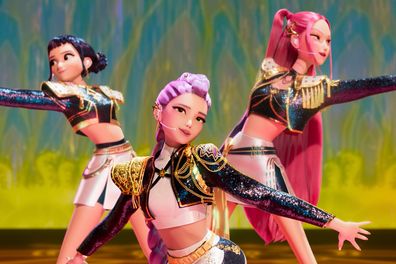
Of all the last-minute tasks I did to prepare for my trip to South Korea – from downloading Naver Maps to learning a few key phrases – watching KPop Demon Hunters might have proven the most vital.
The animated film, inspired by Korean culture, music and traditions, had dropped three months earlier, quickly becoming Netflix’s most-watched movie ever and a global juggernaut.
I knew this, but was still surprised by how all-encompassing Demon Hunters fever was when I arrived in Seoul.
READ MORE: Data reveals the perfect beach for Christmas Day
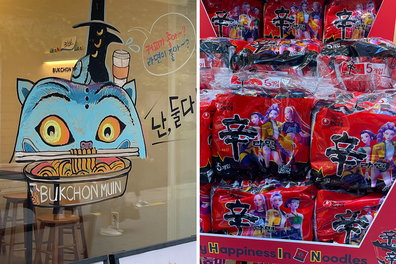
Marketing and merchandise – from keyrings to instant noodles – were inescapable, and the topic came up in conversation almost every day, with everyone from Uber drivers to store staff asking me if I’d seen it and what I thought.
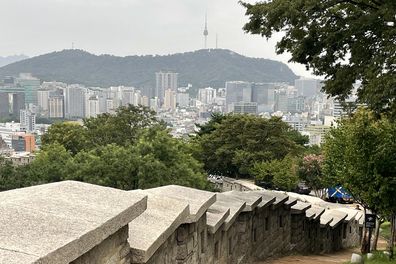
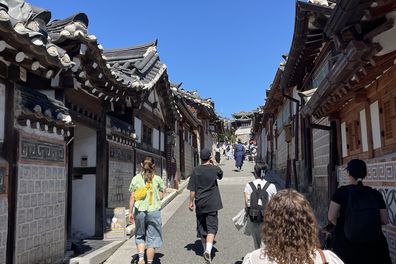
I also experienced that great tourist joy of seeing a movie location through my own eyes. While the plot is fiction, the settings are mostly real, making a stroll along the old Seoul city wall at Naksang Park and through Bukchon Hanok Village all the more thrilling.
Though my trip would have been just as wonderful had I not thrown KPop Demon Hunters on as I finalised my packing, I’m glad I did, because it’s clear this is so much more than a zeitgesit-defining streaming hit: it’s fuelling a tourism boom.
READ MORE: Low-cost getaways unveiled: This island nation takes the number one spot
Since the movie’s release, travel company InsideAsia has seen a 45 per cent increase in South Korea enquiries, while one in four Aussie parents say their kids are now begging to visit the country, per data from PassportCard Australia and the Korea Tourism Organisation.
And this isn’t happening in a vacuum.
The power of the ‘K-Wave’
Korean pop culture, beauty, fashion and food have exploded in popularity over the past decade in a phenomenon nicknamed the Korean Wave, or hallyu – and our travel habits prove Aussies are right on board.
READ MORE: Everything you need to know about going to Bali in 2026
Tim Oakes, Inside Travel’s Managing Director for Australia, tells nine.com.au local interest in South Korea has “risen dramatically”: “It is now one of the strongest performing and fastest growing destinations across the InsideAsia portfolio.”
In a survey, 35 per cent of Aussies said factors like K-pop and K-beauty have already motivated them to plan or consider a South Korea trip, while 65 per cent are now more likely to consider it as a destination for that reason.
“These cultural exports have created a strong sense of curiosity among travellers who want to experience the country and its quirks firsthand,” Oakes adds. For Inside Travel, that’s translated to a 20 per cent increase in South Korea bookings this last year alone.
It seems there’s been a positive flow-on effect for locals, too. My InsideAsia local guides in Seoul both said they’d noticed a confidence boost among Koreans as a result of the global interest in the country’s creations and the resulting increase in visitors.
A pop culture lover’s dream
When it comes to bringing people to South Korea, KPop Demon Hunters is just the tip of the pop culture iceberg. If K-pop dominates your Spotify Wrapped or you spend your nights streaming K-dramas, you are in for a hell of a good time.
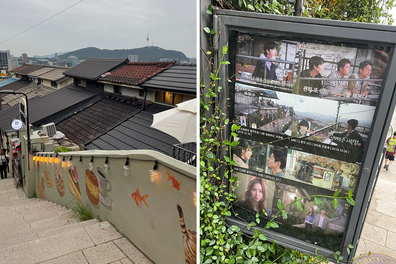
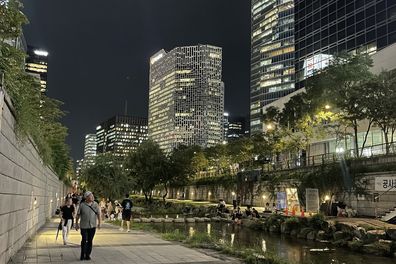
It’s not an exaggeration to say you could shape an entire sightseeing itinerary out of filming locations from Korean films and TV shows.
In Seoul alone, Naksang Park and the nearby Ihwa Village have served as the backdrop to numerous scenes, with Cheonggyecheon Stream, Namsang Tower and Dongdaemun Design Plaza also making regular on-screen cameos.
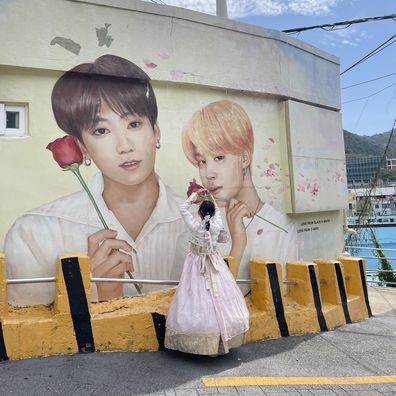
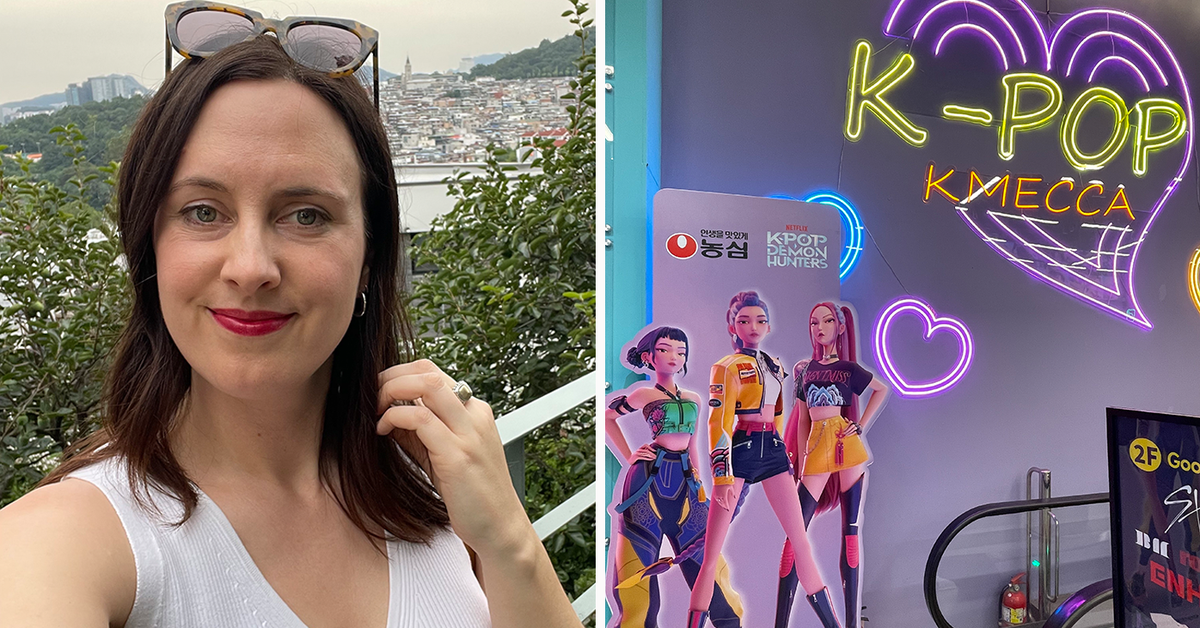
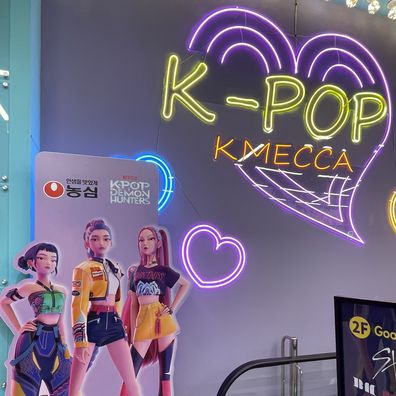
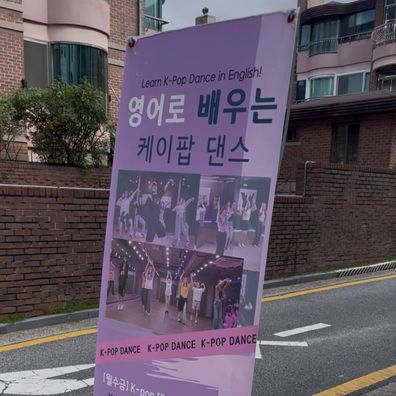
Meanwhile, K-pop fans will be in heaven with merchandise stores like K-Mecca everywhere (let the flashing lightsticks guide you). You can try your luck at spotting an idol near the SM Entertainment headquarters, or even put your skills to the test with a Kpop dance lesson.
Studios like YN Company will put you through your paces with high-energy classes, complete with a cameraman for true superstar treatment.
Warning: if your dance skills are akin to mine, you’ll (a) be quickly humbled and (b) develop a new appreciation for people who can not only move to a rhythm, but sing and look cool while doing it.
Beauty and fashion tourism
I knew about K-beauty before my trip, but standing inside an Olive Young store at closing time on an unremarkable Wednesday night really opened my eyes to its power. Despite being 11pm, the checkout queue snaked back and forth across the floor, with a furious hustle for products right up until the doors shut.
Beauty lovers do not mess around here. You can barely walk a block in parts of Seoul without passing at least one Olive Young, Innisfree or other major cosmetics retailer, and if you manage to make it home without 25 sheet masks in tow I admire your willpower.
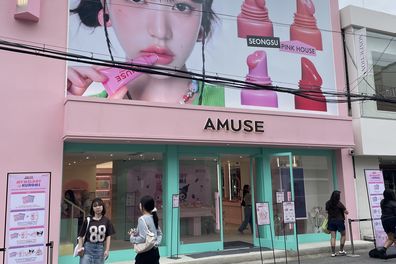
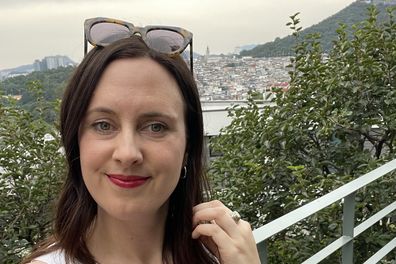
The more hardcore beauty tourists fill their itineraries with various cosmetic treatments, ranging from facials, skin needling and peels to scalp analysis and therapies.
Beauty and fashion pop-ups are also big business, drawing huge crowds to the trendy locale of Seongsu – the colourful temporary storefronts and long queues are impossible to miss.
Speaking of fashion, you can of course shop to your heart’s content or book in for a famous Korean colour analysis, but you can satisfy the style itch more affordably with some good ol’ people-watching.
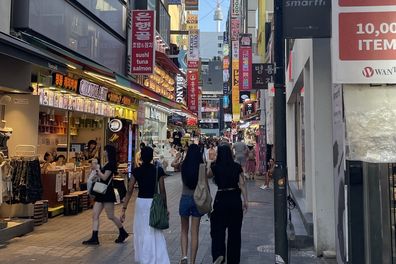
I was captivated by the elegant tailoring and eye-catching combinations of clothing textures and shapes on the streets of Seoul. My local guides said it’s even common for couples and friend groups to coordinate their looks, ensuring they wear similar colours or fabrics for their outings. Once you’re aware of this, you won’t un-see it.
If there’s ever been a time to jump on the K wave, it’s now.
The writer travelled as a guest of InsideAsia Tours.
link