Bathhouses report record-high numbers of foreign visitors as tourists embrace Korea’s sauna and scrub culture
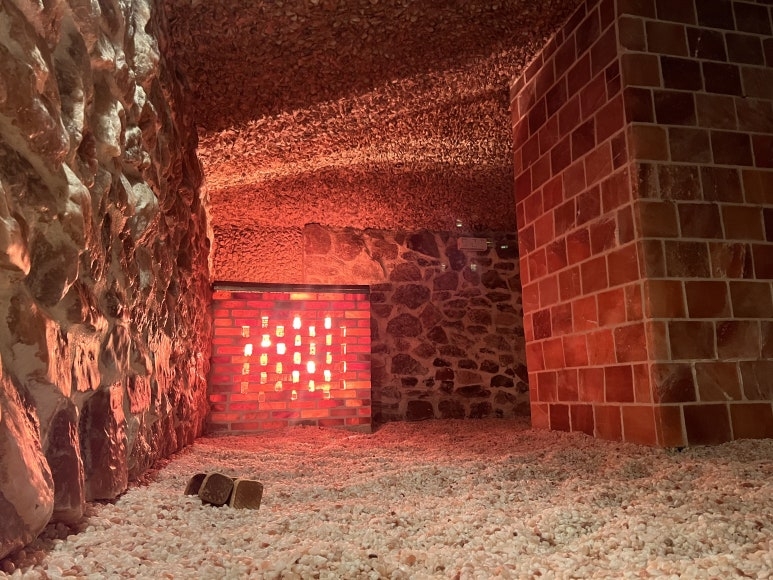
Visiting a jjimjilbang was at the top of Jonathan Le and Leslie Patino’s itinerary long before their plane from San Diego touched down in Seoul.
The couple had visited “Korean-style saunas” back home, but nothing prepared them for the scale or the heat of the real thing in Korea.
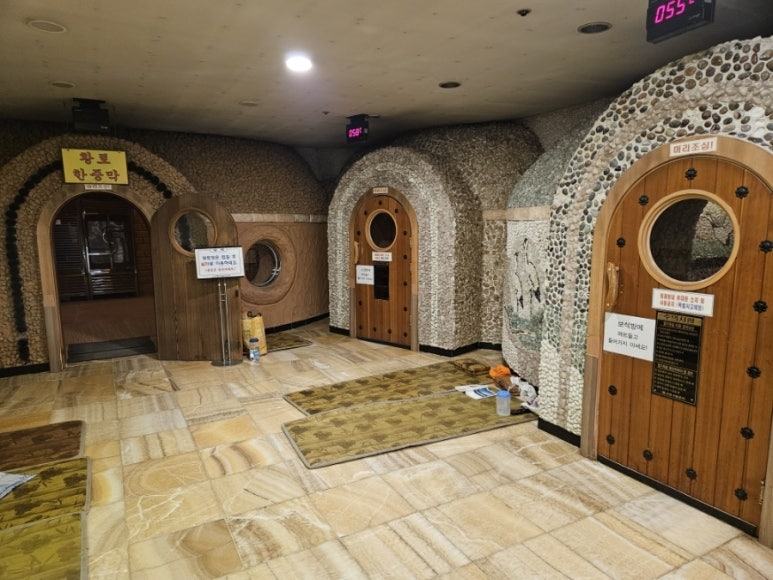
“The size is just on another level,” Le told The Korea Herald, sitting in a glowing, 70-degree Celsius kiln room at a sprawling jjimjilbang in central Seoul. “When you sweat, it feels like you’re sweating off stress. The warmth relaxes you.”
Patino agreed, though she admitted she needed time to adjust.
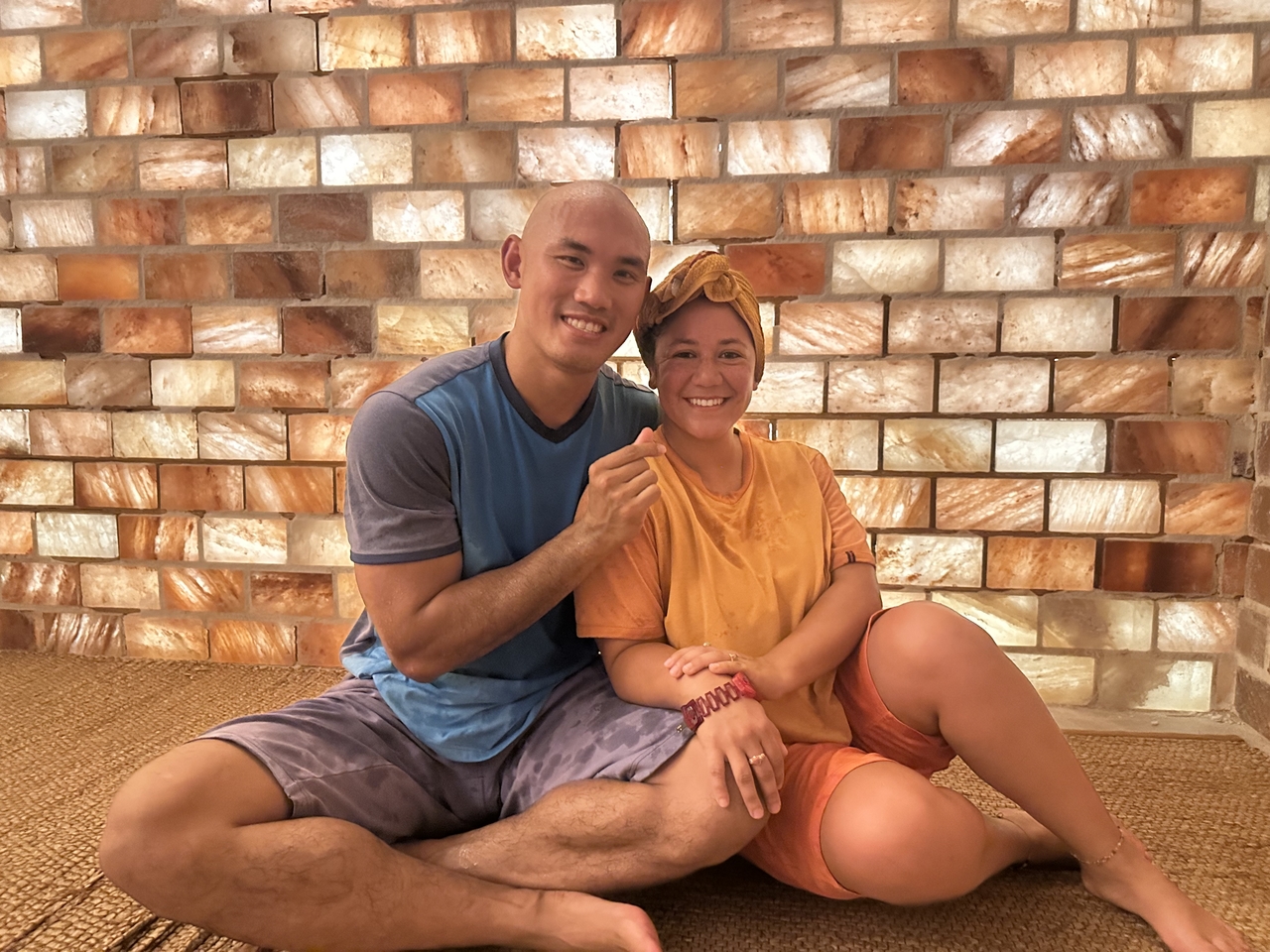
“At first it was quite awkward to be naked with strangers,” she said with a laugh. “I was really self-conscious about my body. But eventually, I began to embrace it and came to enjoy the full jjimjilbang experience.”
Their experience reflects a broader shift: Jjimjilbangs, once a routine part of daily life for Koreans, are emerging as a must-try stop for foreign visitors seeking a more immersive travel experience.
Driven by K-pop, dramas and social media, Korea’s bathhouse culture is drawing growing numbers of tourists — turning a familiar local ritual into a global attraction.
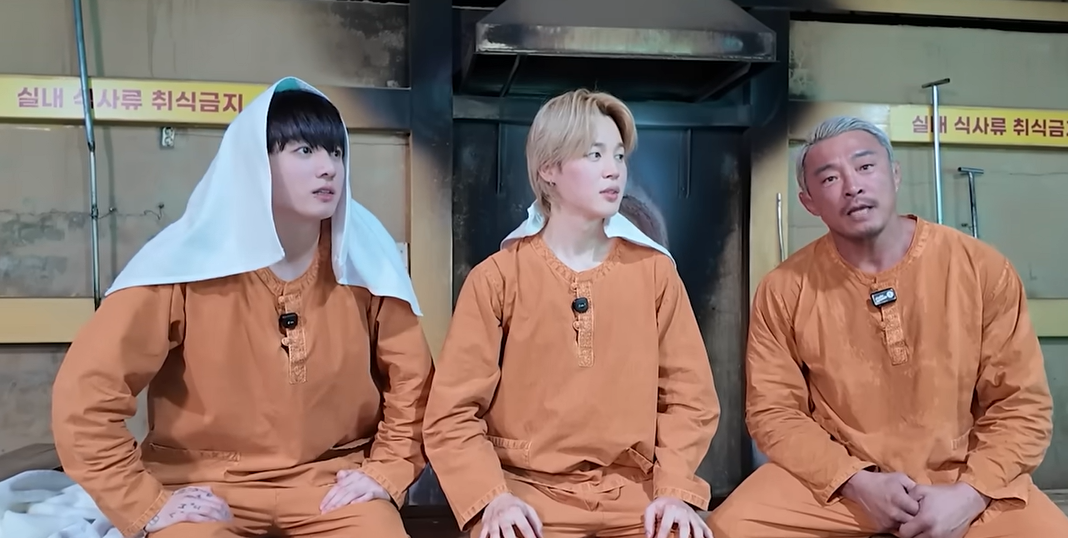
The surge in interest is closely tied to Korean pop culture.
Scenes from “Kpop Demon Hunters,” Korean dramas and clips featuring Kpop superstars and others like US actor Steven Yeun have given many overseas fans their first glimpse of Korea’s bathing rituals.
Those moments have helped push jjimjilbangs onto travel itineraries.
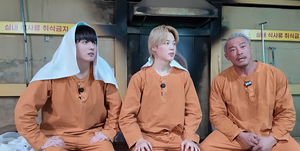
For Thai visitor Katun, 31, she first learned about jjimjilbang through videos of her favorite group, NCT Wish, lounging in a sauna, cracking boiled eggs and wearing towels folded to make “sheep heads.”
When she finally stepped into one herself, she said she felt “like I’d walked into the screen.”
“I wasn’t used to the intense heat at first,” she said. “But eating ramen and eggs in the lounge, just like the members did, made me feel like I blended in with real Koreans. I loved it so much I’m already planning to come back.”
According to Chosun Hotels & Resorts, foreign guest rates at spa facilities such as AquaField branches in Hanam, Anseong and Goyang, as well as Busan’s Centum Spa Land, have risen sharply — from 8.7 percent in 2023 to 20.2 percent this year.
Centum Spa Land now gets nearly half its visitors from overseas. Paradise City’s spa in Incheon, thanks in part to its airport location, has also seen use by foreign nationals grow from 14 to 20 percent.
According to a worker at a jjimjilbang in central Seoul, tourists aren’t averse to waiting in line for the experience either. “During weekends, we have over 300 tourists. They wait in line and the place is packed with visitors,” a worker surnamed Kim said.
“I think our jjimjilbang became famous among the tourists and now, tourists outnumber locals on daily visits.”
Min, a 33-year-old worker in Korea, whose hobby is visiting jjimjilbangs across the country, said the trend is real. “I have been going to jjimjilbang since I fell in love with them 10 years ago. Then, it was not common to see foreigners in such facilities. Now, wherever I go, there are people with diverse ethnicities from so many different countries,” she told The Korea Herald.
Few experiences surprise visitors more than “seshin,” Korea’s famously vigorous body-scrub treatment. Reservation data from global booking platform Klook shows scrub-and-sauna bookings jumped 11 percent following the success of “Kpop Demon Hunters.” In areas popular with tourists, such as Seodaemun-gu and Jongno-gu in Seoul, bookings soared even higher.
That demand is spilling into new formats such as one-person scrub shops, designed for travelers who prefer private self-care experiences. At Damda, a boutique scrub studio near Hongdae, about 40 percent of customers now come from abroad.
“Many are hesitant at first, but when they touch their skin afterward, they say it’s ‘pure healing,’” said Damda. “Among female travelers especially, it’s become a unique K-beauty experience.”
At YouLike Spa in Yongsan-gu, foreign visits grew fourfold over the past year, expanding from North American travelers to newcomers from Eastern Europe. Staff members say American guests, in particular, often react with disbelief.
“They keep saying ‘amazing,’ and ask why such treatments don’t exist back home,” one employee said.
Even souvenirs reflect this enthusiasm. At the Myeong-dong branch of Daiso, where up to 70 percent of customers are foreign, sales of exfoliating scrub towels, better known as the “Italy towel,” rose 30 percent in the second half of last year.
Much of the growing enthusiasm for Korea’s bathhouse culture is also driven by word of mouth. According to the Korea Tourism Development Institute, videos tagged “#Koreanscrub” and “#Seshin” on TikTok and Instagram have seen their view counts surge by more than 300 percent over the past two years.
The trend reflects a broader shift in travel behavior, with visitors seeking everyday experiences rather than traditional sightseeing.
“Foreign tourists now see Korea not as a place to look at, but a place to live in, even briefly,” one industry official said. “Demand for everyday cultural experiences, like jjimjilbang, will continue to grow.”
link