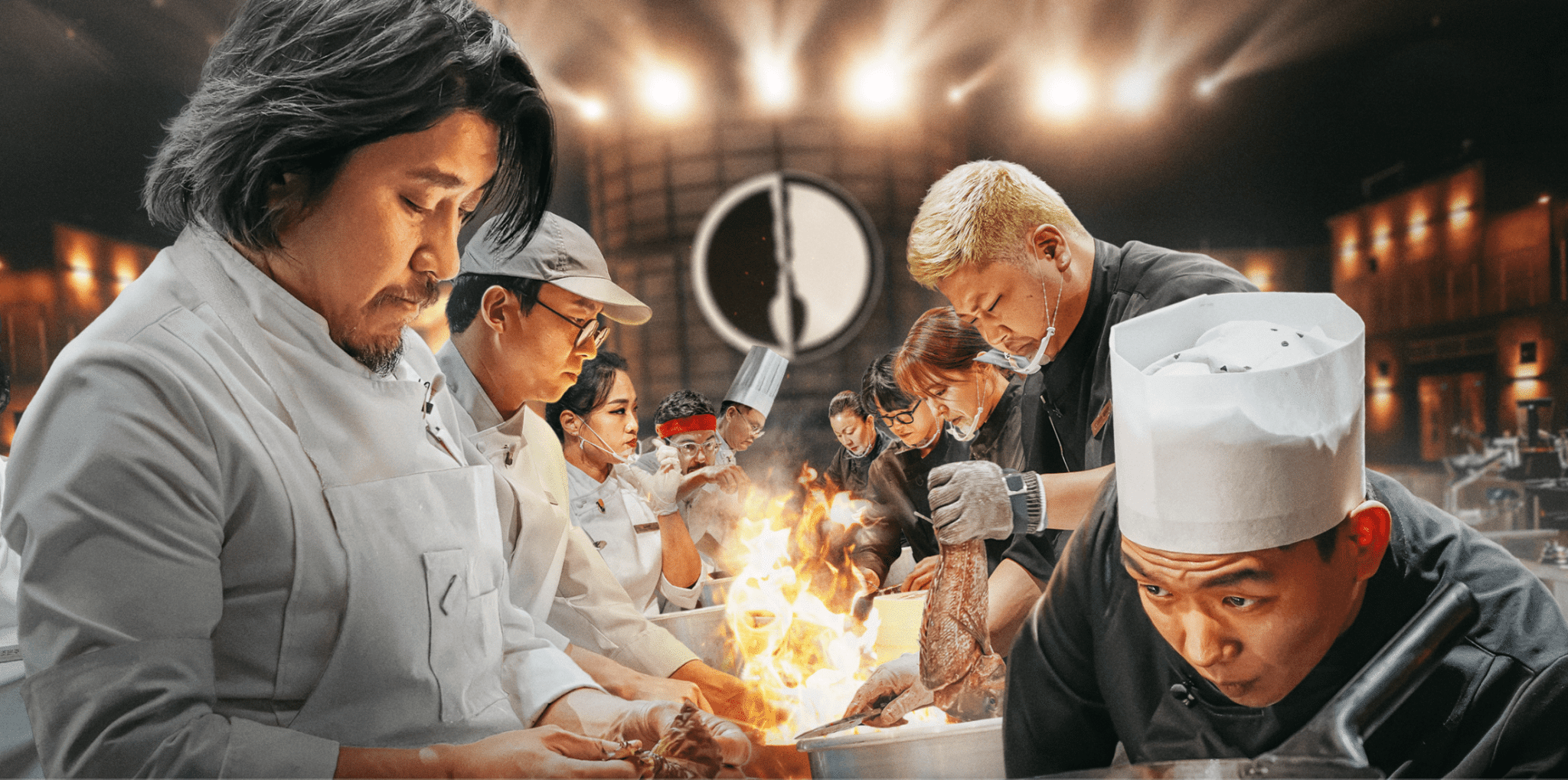
Culinary Class Wars broke records this fall as the first Korean unscripted title to rank No. 1 on the Netflix Global Top 10 TV (Non-English) list for three consecutive weeks. With the success of Korean dramas and films paving the way, it’s no surprise that Korean variety shows are now captivating international audiences. This surge of interest feels as fresh as it does inevitable, and hordes of people are now clamoring to try the restaurants of the featured chefs.
Take Physical: 100, another Netflix-produced Korean variety show that became a global sensation with its raw physical challenges, intense rivalries, and heartwarming camaraderie. The premise was simple, but its execution—marked by precision and emotional depth—made it feel groundbreaking. This success proved that even straightforward concepts, when executed brilliantly, can leave an indelible mark. While physical competition shows aren’t new, none have resonated globally like Physical: 100.
Culinary Class Wars follows this trend of reinvention, but with a unique twist: exploring social class dynamics in the context of a cooking competition. While cooking shows are a staple of global entertainment, this one redefines the genre by weaving in themes of hierarchy and privilege, creating a bold new lens through which to view culinary artistry.
The show’s casting choices further elevate its appeal. Among the contestants is a legendary chef with over 50 years of expertise in Chinese cuisine, participating not as a judge but as a competitor—a move that raises the stakes for all involved. Adding to the intrigue is James Beard Award-winning chef and Iron Chef America star Edward Lee, who also competes alongside a host of culinary luminaries from other prominent cooking shows. This dazzling lineup blends star power with unpredictability, ensuring each episode is brimming with excitement.
The competition itself is both simple and compelling. It begins with 80 underdog chefs vying for a spot in the next round, with only 20 advancing. These rising talents then face off against 20 elite chefs, dubbed the “White Spoon” team, a group of culinary stars and past competition winners.
But the twist doesn’t stop there. White spoon chefs are allowed to use their real names throughout the competition, while black spoon chefs—representing the underdogs—are required to use nicknames. This stark disparity introduces immediate tension, as the only way for a black spoon chef to reclaim their name is to win the entire competition. If a white spoon chef wins, the black spoon chefs’ identities remain hidden, adding a layer of drama to an already high-stakes battle.
link