Q1: Is this a good deal for the United States and South Korea?
A1: Any deal that averts a tariff war between two military allies is good by definition. But there are still many details to be ironed out. The South Korea deal follows a similar structure as recent deals the Trump administration struck with Japan and the European Union, which are a lower negotiated International Emergency Economic Powers Act (IEEPA) tariff rate (from the Liberation Day rate), some lower sectoral tariff rates, new investments by the country into the United States, commercial deals (in the form of energy purchases or Boeing planes), and “open access” for all U.S. goods.
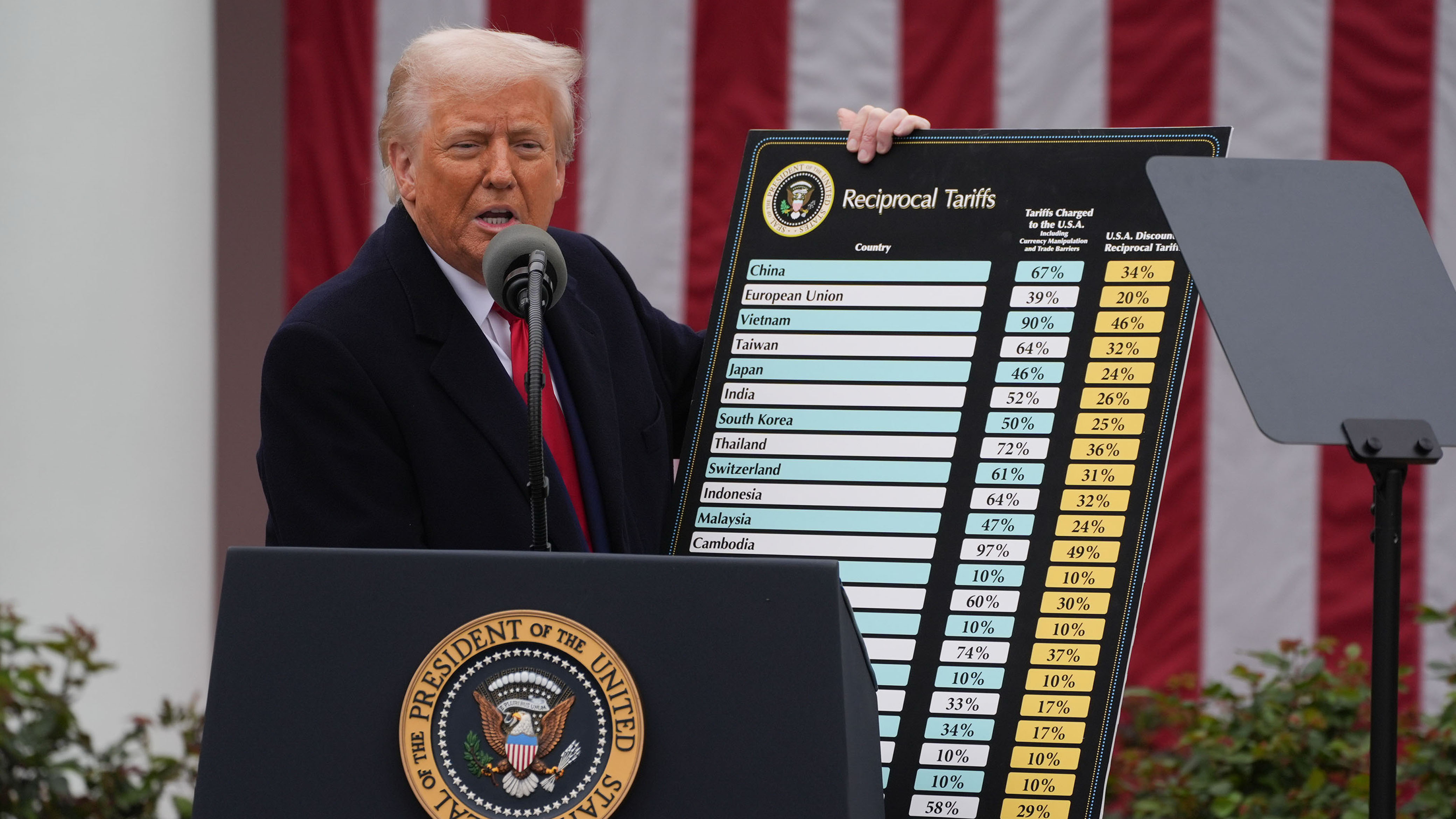
South Korea successfully negotiated a 15 percent IEEPA tariff rate and a 15 percent tariff rate for automobiles and auto parts, down from the 25 percent reciprocal tariff rate that would have been administered on August 1. Achieving anything higher than 15 percent would have been considered a failure for Seoul, given the Japan and EU agreements, and achieving the lower tariff rate on autos was a top priority for South Korea, given the depressing effect the threat of 25 percent U.S. tariffs has already had on the auto exports to the United States. Trump says U.S. cars and trucks will enter the South Korean market tariff-free, but this is not a major win because the United States–Korea Free Trade Agreement already mandated zero South Korean tariffs on most manufactured goods. U.S. nontariff barrier issues (e.g., South Korean safety standard applied to U.S. vehicles) were not addressed to the benefit of the United States.
For semiconductors and pharmaceuticals, Secretary of Commerce Howard Lutnick announced that South Korea will be “not be treated any worse than any other country,” which indicates it negotiated a similar guarantee to Japan, and likely at the 15 percent ceiling that the European Union received. The 50 percent tariff rate on aluminum, steel, and copper products, however, will remain in place for Korea, as it does for Japan.
Trump posted that South Korea would buy more agricultural products from the United States. The two major issues here are rice and beef, but South Koreans claim they made no concessions on either. Moreover, it’s unclear whether the United States achieved South Korea’s commitment to rescind the ban on purchases of beef from U.S. cows over 30 months old.
Trump announced a new $350 billion investment by South Korea in U.S.-owned industries and sectors designated by the president, as well as $100 billion purchase of U.S. liquified natural gas (LNG). But details remain scarce. For example, it’s unclear whether the LNG purchases represent new orders or the shifting of existing orders from the Middle East to the United States. The deal also does not specify whether South Korea will cooperate with the Alaska LNG project, which Trump has expressed support for.
Other areas important to the United States that appear not to have been negotiated include (1) digital services regulation by the South Korean government, including export of location-based data; (2) currency manipulation; and (3) supply chain restrictions to China.
Q2: What’s next?
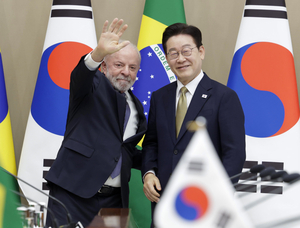
A2: In addition to ironing out the details of what has been announced thus far, Trump has provided, as a reward for the deal, the first visit by the new South Korean president to the White House within the “next two weeks.”
Each side will use the summit as an action-forcing event to move its bureaucracy to support the commitments made thus far. But Trump will use the White House visit not just to celebrate the trade deal but as leverage on South Korea for more concessions on investment, nontariff barriers, and currency manipulation. The two leaders are also likely to discuss other non-trade-related but connected issues, like a new cost-sharing agreement where the United States wants its ally to up its annual contributions exponentially beyond the roughly $1 billion annual amount.
Q3: Could there have been a better deal?
A3: Theoretically, there is always a better deal than the one had. South Korea ceded all the leverage in the negotiations by not retaliating against Trump’s reciprocal tariffs by raising its own tariffs on U.S. products and negotiating down from there (i.e., the “escalate to de-escalate” strategy) like the European Union and Canada had done. Instead, Seoul negotiated from a position where its tariffs on U.S. goods remained at virtually zero as a result of the existing free trade agreement. This was not a strong negotiating position, but given their security equities in the alliance, it may have been assessed by Seoul to be the only viable strategy.
Victor Cha is president of the Geopolitics and Foreign Policy Department and Korea Chair at the Center for Strategic and International Studies in Washington, D.C. Andy Lim is deputy director and fellow with the Korea Chair at CSIS.
link