final Photography of Sorol art Museum unveiled
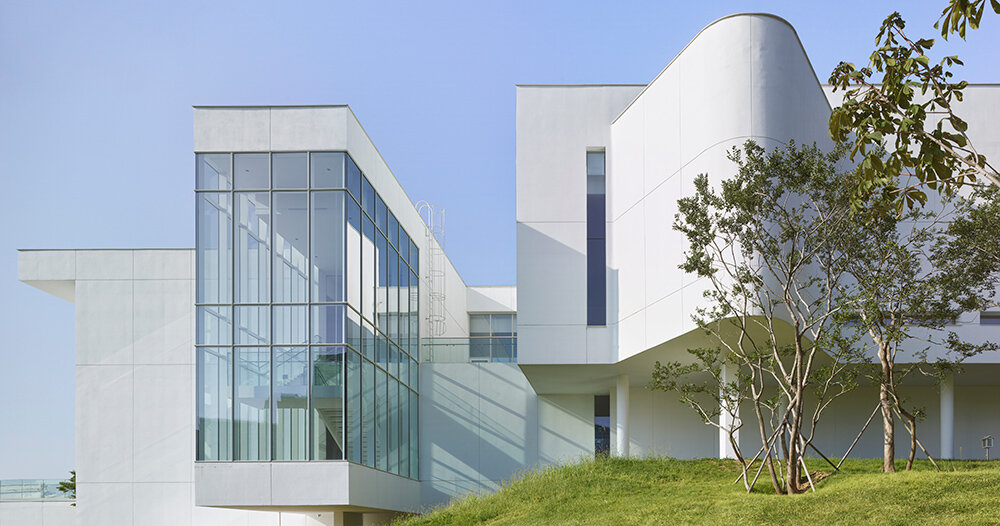
Meier Partners has unveiled the final photography of the Sorol Art Museum, located in Gangneung, South Korea, with images captured by photographer Roland Halbe. Opened in February 2024, the museum has already hosted significant exhibitions, including Spatial Concept, featuring Lucio Fontana and Quac Insik, and Moments of Perfection, which presented the works of Agnes Martin and Chung Sang-Hwa. These exhibitions complement the museum’s design vision, which emphasizes simplicity, materiality, and a harmonious connection to nature, drawing inspiration from Korean Confucian heritage.
Modern museum architecture must balance a connection to its surroundings with the flexibility to accommodate a range of exhibitions. As contemporary artists increasingly tailor installations to the specific design of exhibition spaces, museums need to remain adaptable. This adaptability ensures they can evolve with the shifting demands of the art world while still maintaining their architectural integrity.
images © Roland Halbe
meier partners Harmonizes Interior and Landscape
The design of the Sorol Museum reflects a balance between landscape and flexible exhibition areas, as Meier Partners creates a interplay between the introverted gallery spaces and the more open circulation areas. The gallery spaces offer flexibility to meet the needs of curators and artists, while the circulation areas frame the building’s relationship with its natural surroundings through carefully orchestrated views and natural light. With this approach, the architects curate a dialogue between the architecture, the art on display, and the landscape.
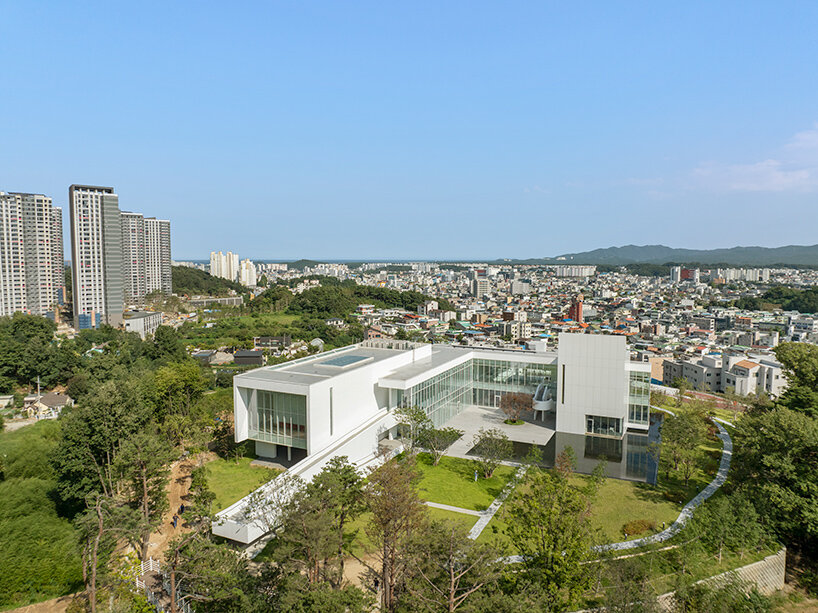
A key design element of the museum is its relationship with the surrounding landscape, mainly achieved through the circulation areas, which interact continuously with the outdoors. The building is organized around a central courtyard, a nod to traditional Korean architecture. It comprises three main volumes — a cantilevered pavilion, a cube structure for galleries and offices, and a transparent pavilion housing the entrance, lobby, and café. The circulation follows a T-shape, guiding visitors through different levels and connecting them to outdoor spaces, including a reflecting pool and garden areas.
Sorol Art Museum opened in February 2024 in Gangneung, South Korea
contrasting Gallery Spaces for Art Display
The museum’s gallery spaces are designed to be more introspective, with controlled natural light that enhances the display of art while maintaining a serene atmosphere. The main gallery features a skylight with shading devices to regulate daylight, offering a versatile space for a wide variety of exhibitions. The ‘cube’ gallery includes an extra-tall space illuminated by diffused, indirect light through opaque-translucent skylights. Windows are carefully positioned to introduce controlled natural light while framing views of the park, preserving wall space for artwork. Each gallery has distinct characteristics, allowing curators to tailor lighting conditions to the artwork’s needs.
‘The design vision was to create a modest but lyrical composition incised into this spectacular landscape that would become the perfect backdrop for art and remain forever memorable to all who visit,’ says Dukho Yeon, Design Partner-in-Charge. ‘It is a true collaborative effort, and I am extremely proud to be part of our incredible project team.’
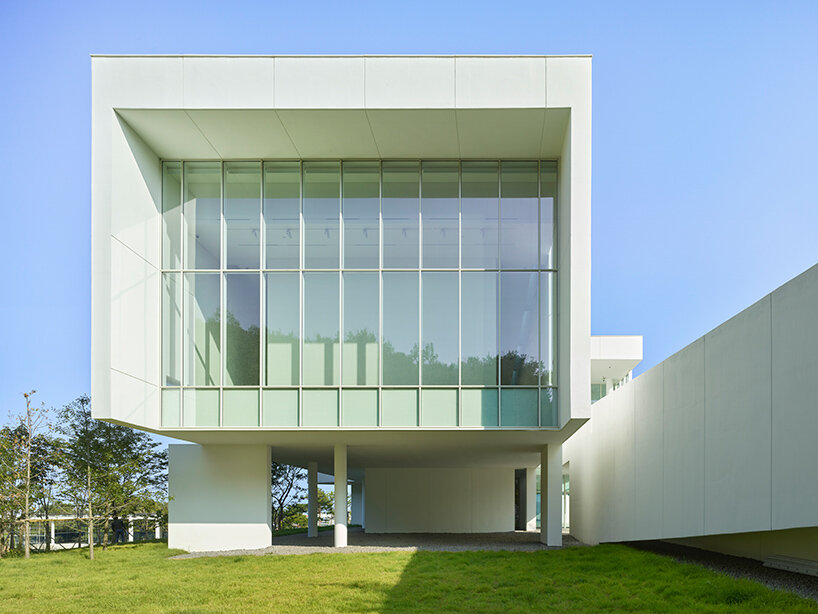
the museum’s design emphasizes simplicity and harmony with nature, inspired by Korean Confucian heritage
‘The concept behind the Sorol Museum was to create a serene and simple yet memorable space that presents a harmonious blend of art, architecture, and nature,’ Sharon Oh, Project Architect and Manager continues. ‘We envisioned the museum to beautifully exemplify the continuous dialogue between interior and exterior elements, creating tranquil exhibition spaces that serve as a neutral backdrop for the art. We are grateful for the opportunity to be a part of this unforgettable project and believe the Sorol Museum will be a destination that captivates visitors.’
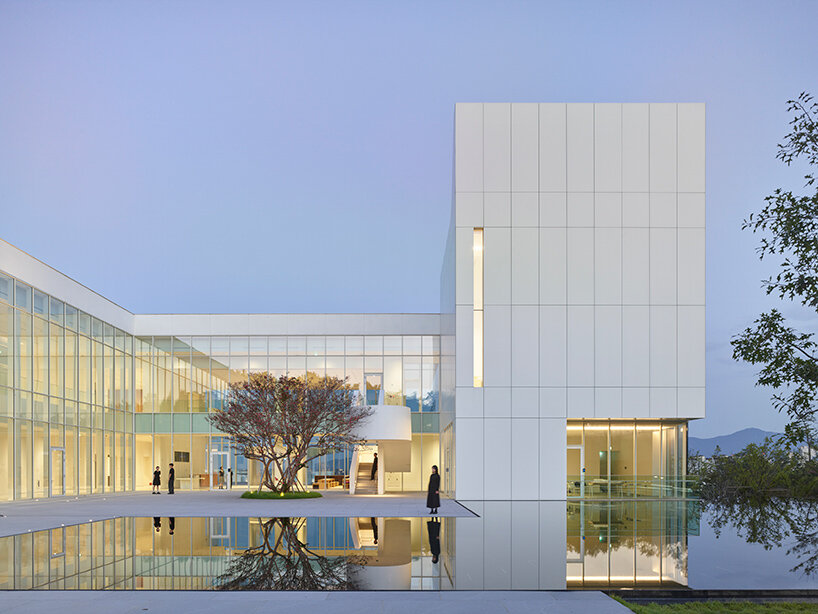
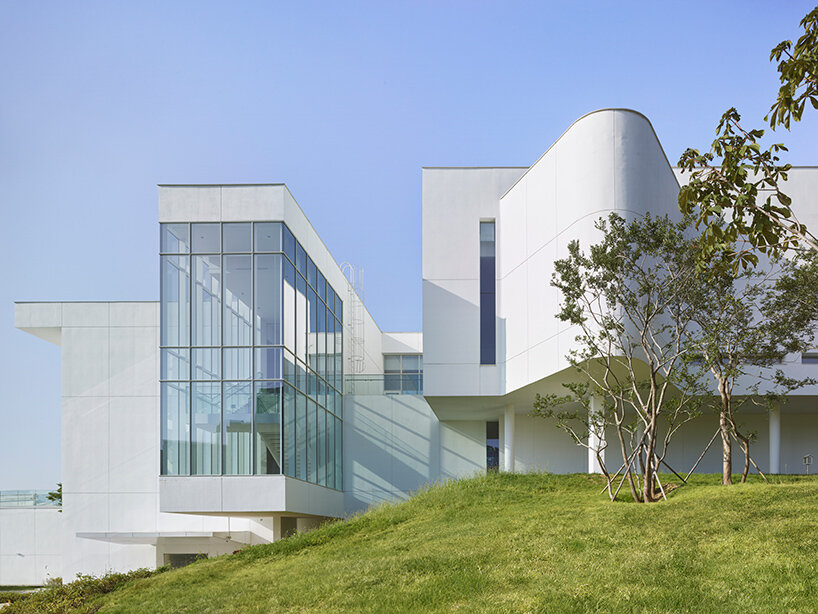
the building is divided between three main volumes, including a cantilevered pavilion and cube structure
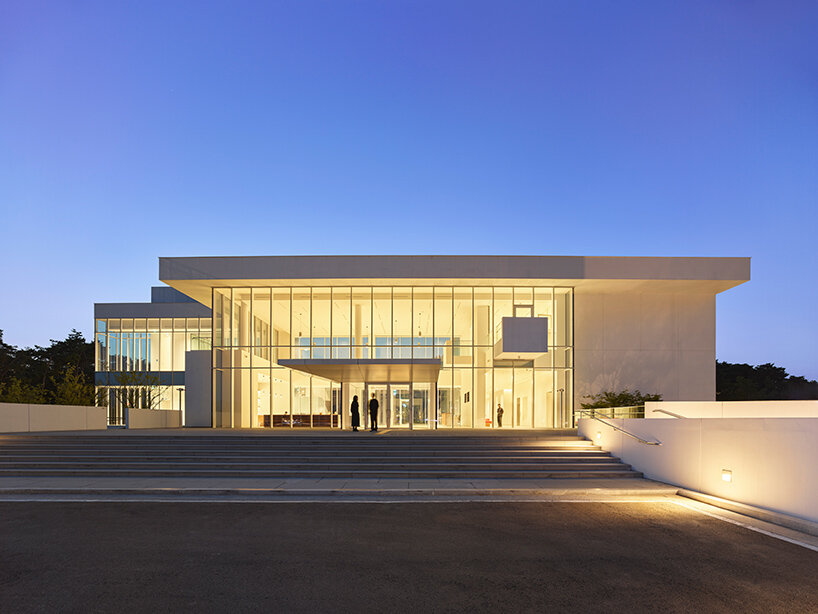
the museum’s circulation areas offer framed views and natural light, connecting the interior to the landscape
link